
Chinese Garlic Quality Inspection Before Shipment
Before your garlic shipment leaves China, I help you check whether the lot and its packing meet the requirements agreed with the supplier. The inspection record documents the sample and findings, then gives a recommendation to release, correct and re-check, or hold. The final shipment and commercial decisions remain with you and the responsible parties.
What “Quality Inspection” means?
Quality inspection is a controlled check of the product and the process before shipment.
The goal is simple: prevent costly problems that are hard to fix after arrival, such as inconsistent sizing, defects, mold risk, sprouting issues, weak packaging, and documentation gaps.
A good inspection is not one photo and a quick look. It is a repeatable procedure with clear checkpoints and proof.
Why inspections fail in real life?
Most failures happen because inspection is treated as a formality: A few random cartons are checked, issues are not documented, and no one links findings to a decision.
The result: The first shipment might be acceptable, but repeat shipments become unpredictable.
My approach turns inspection into a decision system: What to check, how to sample, what to record, and when to stop a shipment.
What I check during inspection?
I inspect across 9 categories. Each category has clear pass fail expectations.
Product specification and sizing
- Size and grading consistency
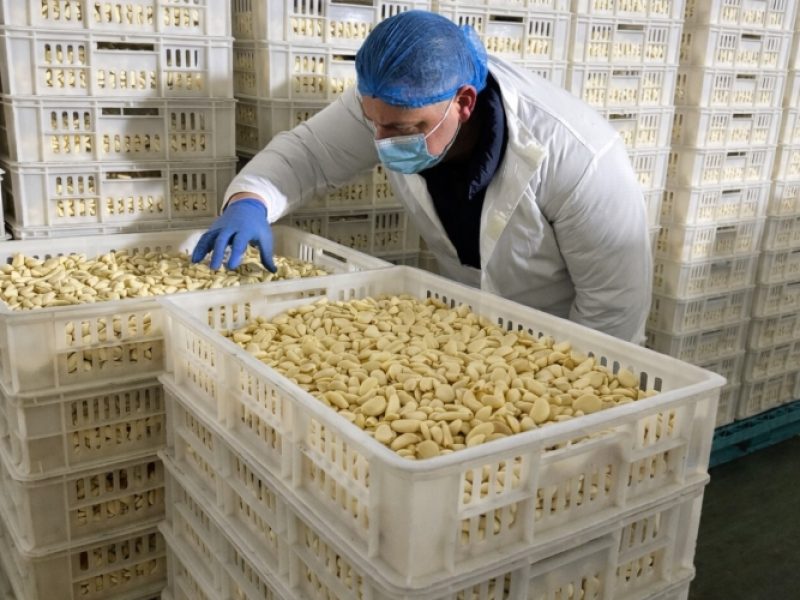
- Uniformity across cartons, not only top layer
- Tolerance control based on your spec
Visual quality and defects
- Damage, bruising, dehydration signs
- Skin condition and appearance consistency
- Foreign matter and visible contamination risk
Mold and rot risk indicators
- Soft spots, abnormal smell, moisture related warning signs
- Carton level risk signals
- Storage and handling risk notes
Sprouting and freshness signals
- Sprouting indicators where relevant
- Freshness consistency across batches
- Risk notes based on storage conditions
Weight and count consistency
- Net weight checks
- Count per carton consistency where applicable
- Random carton verification for manipulation risk
Packaging quality and labeling
- Carton strength, inner packaging, protection
- Label accuracy, traceability elements
- Damage risk during transport
Process discipline and hygiene signals
- Handling during packing
- Basic hygiene and organization indicators
- Whether workers follow agreed procedures
Evidence and reporting
- Photos and videos of key findings
- Checklist based reporting, not vague comments
- Clear summary: pass, conditional pass, or hold
Shipment readiness signals
- Pallet condition and stability
- Loading readiness notes
- Coordination with loading supervision if needed
Inspection stages matched to your order
Before packing, confirm the agreed specification and evidence list. Where the agreed inspection scope includes packing-stage checks, identify correctable issues before the shipment is completed. Before shipment, verify the completed lot against the agreed requirements. Loading supervision is a separate service and is used only when specifically included in the shipment plan.
The inspection process
Define your quality standard
Your size range, defect tolerance, packaging rules, and documentation needs.
Build a simple pass fail rulebook
What triggers a stop, rework, repack, or extra sampling.
On site inspection with structured sampling
Not just one carton. Sampling is designed to detect inconsistency across the lot.
Evidence collection
Photos, videos, and written findings tied to your standards.
Decision and corrective action
Pass, conditional pass with fixes, or hold.
If fixes are needed, I confirm they were actually done.
Final release readiness
Confirm the batch is consistent and shipment ready.
What you receive?
- Inspection checklist aligned with your specification
- Photo and video evidence package
- Clear findings summary with pass fail decision
- Corrective action list when needed
- Risk notes for storage, handling, packaging, and transport
- Recommendation for next steps: rework, repack, extra checks, or release
If you also need supplier screening before inspection, see my Supplier Due Diligence service.
For supplier screening before a sample, deposit or pilot order, see Supplier Due Diligence.
For draft document consistency before dispatch, see EU Import Document Checks.
Frequently Asked Questions
Can you follow our internal quality checklist?
Yes. I can use your checklist or create a tailored checklist based on your specification.
Do you inspect only the finished goods?
No. The strongest results come from checking during packing, when issues can still be corrected.
What is the most common issue you catch?
Inconsistency across cartons. The top looks fine, deeper layers do not match the spec.
How do you report results?
I provide a structured checklist, photos and videos, and a recommendation to release, correct and re-check, or hold. Final release and commercial decisions remain with the client and the responsible parties.
Can inspection be combined with documentation checks?
Yes. If your EU import requires specific documents and traceability details, the inspection can include verification of packaging labels and document readiness.
Want predictable garlic quality before it ships?
Send your target specification and destination market, and I will propose an inspection plan with clear checkpoints and evidence requirements.